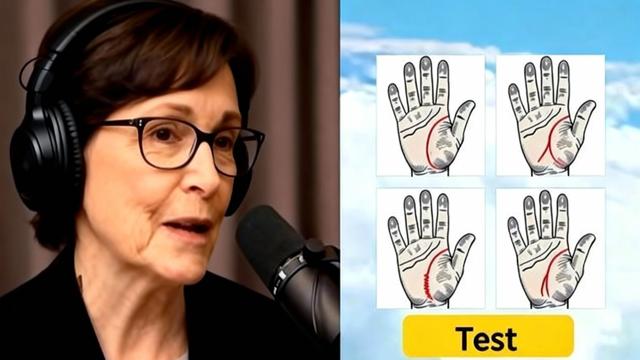
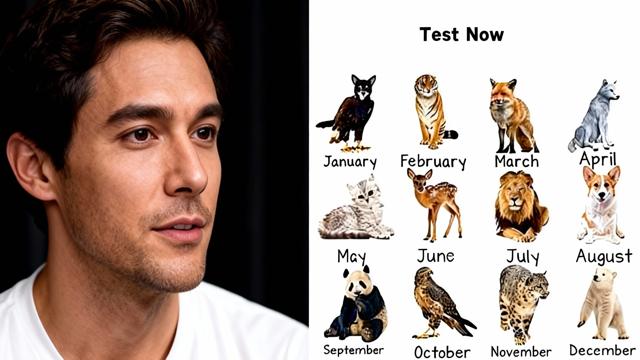
Shuffle a deck, flip a card, and suddenly a stranger's illustration seems to know something about your week. Check your horoscope and a paragraph written for millions somehow feels aimed at you. Tarot and zodiac quizzes are among the internet's most beloved toys, and their pull is old, far older than any app.
Cards that were never meant to tell fortunes
Tarot did not begin as a mystical tool at all. According to Britannica, tarot decks appeared in 15th-century Europe as playing cards for ordinary games, complete with suits and trumps. Only centuries later did occult writers reinvent them as instruments of divination, layering symbolic meaning onto images that had started life at the card table. The moody archetypes we know today, the Tower, the Star, the Fool, are a relatively recent costume on a very old deck.
That history is a hint about what tarot really offers. The cards are a gallery of human situations: loss, luck, change, beginnings. Draw one and you are handed a rich picture to interpret, and people are wonderfully good at finding themselves in a vivid image. The meaning you feel is real; it just comes from you, prompted by the art.
The sky as the oldest personality test
Astrology reaches back even further. Britannica traces its roots to ancient Mesopotamia, where sky-watchers linked the movements of planets to events on earth, and describes how the practice spread across cultures for thousands of years. Long before anyone took a "which sign are you" quiz, people were reading the heavens for meaning and using the stars to sort human temperament into types.
Seen that way, the zodiac is arguably history's most durable personality framework. Twelve signs, each with a tidy list of traits, give you a shared language for describing yourself and teasing your friends. Calling something "such a Scorpio move" is a joke, a shorthand, and a tiny act of belonging all at once.
Why fate is so satisfying
The deeper appeal is comfort. A world of random events is unsettling; a world with a pattern feels kinder. Tarot and zodiac offer the pleasant sensation that things happen for a reason and that you fit into a larger design. Even people who firmly do not believe often admit the story is soothing, which may be why the practices refuse to fade.
Ritual adds to the charm. Shuffling a deck, waiting for a card, checking the day's forecast: these tiny ceremonies slow you down and mark a moment as meaningful. Human beings are relentless pattern-finders, forever spotting shapes in clouds and meaning in coincidence, so a system that promises to organize the chaos will always find willing takers. The pleasure is partly in the pause the ritual carves out of an ordinary day.
They are also strikingly common. Surveys from the Pew Research Center have found that a sizable share of adults, including plenty who call themselves nonreligious, report some belief in astrology. It turns out the appetite for a little cosmic guidance does not require a formal faith. It sits comfortably alongside modern, skeptical life as a kind of playful maybe.
Entertainment, worn lightly
The healthiest way to enjoy all of this is to hold it loosely. A tarot pull or a star-sign quiz is a mirror and a story, not a set of instructions. Let it prompt a thought, spark a conversation, or simply make an evening feel a touch more enchanted. Trouble only starts when someone hands real decisions, about money, health, or love, to a card or a chart instead of to their own judgment.
Kept in its proper place, the mystic quiz is a small delight with a long history. You flip the card, read the sign, laugh at how eerily it fits, and carry on. The stars are not steering your life. But as a way to reflect, to bond, and to feel briefly written into something grand, a little fate has always been very good company.